Ahlam's facts about victorians
 OR
OR
In the Victorian times steam trains were used to travel around the world.
OR
However if people do not like to use steam trains they could use a 4 wheel carriage ridden by a horse.
OR
In the 1890 the rich people could afford a motor car.
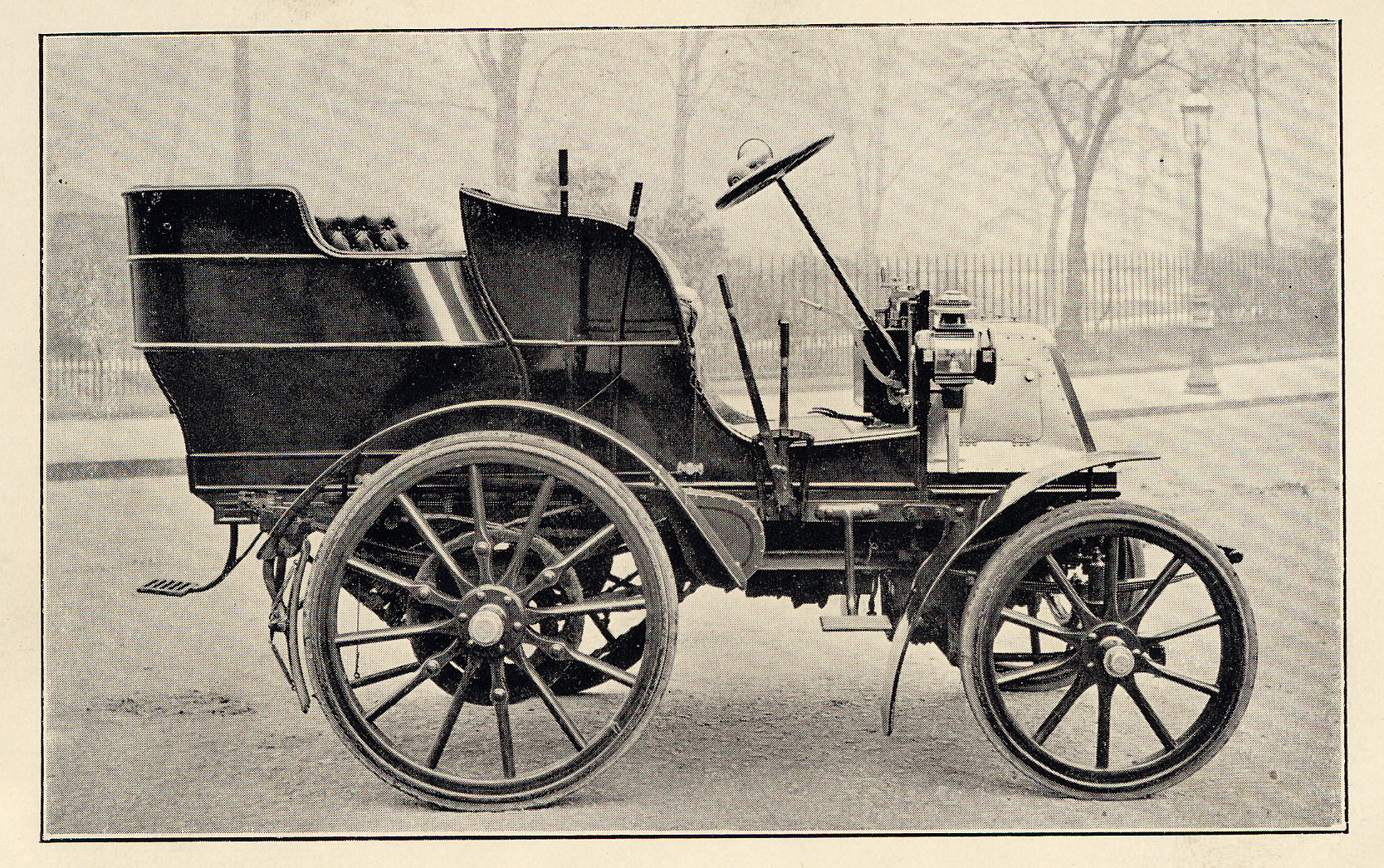 Here is a picture of a motor car.
Here are questions i want to know about how Victorians travel:
- How much did the trains cost?
- How many people fit in a steam train?
- How big was a motor car?
Clothes;poor and rich
THE POOR CLOTHES

The poor victorians did not go to shops to buy clothes, they made their own clothes to measure themself. But we do go to the shops and buy our own clothes like what the riches did beacause they had money but the poor people didnt have money.
THE RICH CLOTHES:


There are two pictures of whart the rich people wore, one of the adults and one of the children. The clothes were made out of rich fabrics with elaborate twists, tucks, and trims. Women had special dresses for everything from mourning, to ball gowns, to outdoor recreation.

That is what the men wore in victorian times. Coats were longer and fuller and echoed the small waist silhouette of women’s clothing. As the era progressed, it became common to see men with colorful scarves or ascots. Drab knickers and fitted coat tails gave way to more colorful fabrics and flowing lines.They were made out of many different materials like: For the wealthy, silk stockings covered the legs. For the less wealthy, it was wool socks.
MONEY:
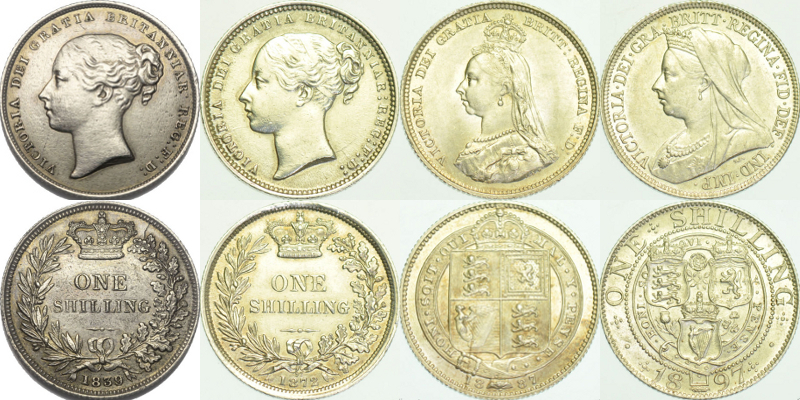
In victorian times they did not have pound or penny,well they did have a bit of pennies. In the Victorian times and prior to decimalisation the pound sterling was divided into 20 shillings, with each shilling further divided using 12 pennies. But a pound divided into 240 parts could be divided exactly using halves, thirds, quarters, fifths, sixths, eighths, tenths, twelfths, fifteenths, sixteenths, twentieths, twenty fourths, thirtieths, fortieths, forty eightieths, sixtieths, eightieths, and one hundred and twentieths.Victorians used a symbol system as we do, to express different amounts. The pound symbol was “£” much like today with the Shilling represented as an “s” and the penny as a “d”. The penny was represented by the letter “d” from its meaning of “denarius” which was previously a Roman coin made of silver and also used as the name for the English silver penny. Amounts would be written in their order for example “£3-4s-5d”. For amounts under £1 it would be written as 4/5 or 4s-5d.
Banknotes were also used in the Victorian times alongside the coinage. We first saw banknotes issued by The Bank of London in the 1690’s but was not regularly used. The fact that they were hand signed did not give people much confidence in using them compared to coins.
In 1828 within the Victorian Era you saw the first £5 notes going into circulation. By 1853 the banknotes were also featuring printed signatures which instilled more confidence in their use.
They had shillings, pennies and a lot of different notes, here are some different notes.


VICTORIANS SCHOOL:


Children and adults, who wanted to be teachers couldnt go to school until 1891. However,if children wanted to go to school they had to pay until then. Queen Victoria's reign brought many improvements to the education of children, especially for the poor children. If children really wanted to get educated and go to school, the adult victorians came up with an idea that could make children be able to go to school, and they checked to make sure the schools were up to scratch too. The victorians were the first to ask if it was right to allow children to go to school and not just to go to school they could go and work in a factory or a workshop. Queen Victoria told laws telling the victorians what u could let children do and what u could not let children do.
HOUSES:


The Victorian period is the time when Queen Victoria ruled Britain. Houses made of local stone, timber and straw could now, for example, be built of bricks from Bedfordshire and slate from North Wales. Bricks were cheaper and required less preparation and maintenance, so for the first time all over the country new mansions, chapels, cottages, barns and factories were made from the same material irrespective of region. The working population in the countryside were still living in tiny cottages, hovels and shacks well into the 20th century. In towns poor people lived in back-to-back houses called terraced houses. The rich Victorians villas and houses (not the same as roman villas),of Victorian England lived in superior terraces with gardens back and front and a room for servants in the attic.


Comments
Post a Comment